


-

Add: HeBei ShengShi HongBang Cellulose Technology CO.,LTD.
-

Email
13180486930@163.com -

CONTACT US
+86 13180486930
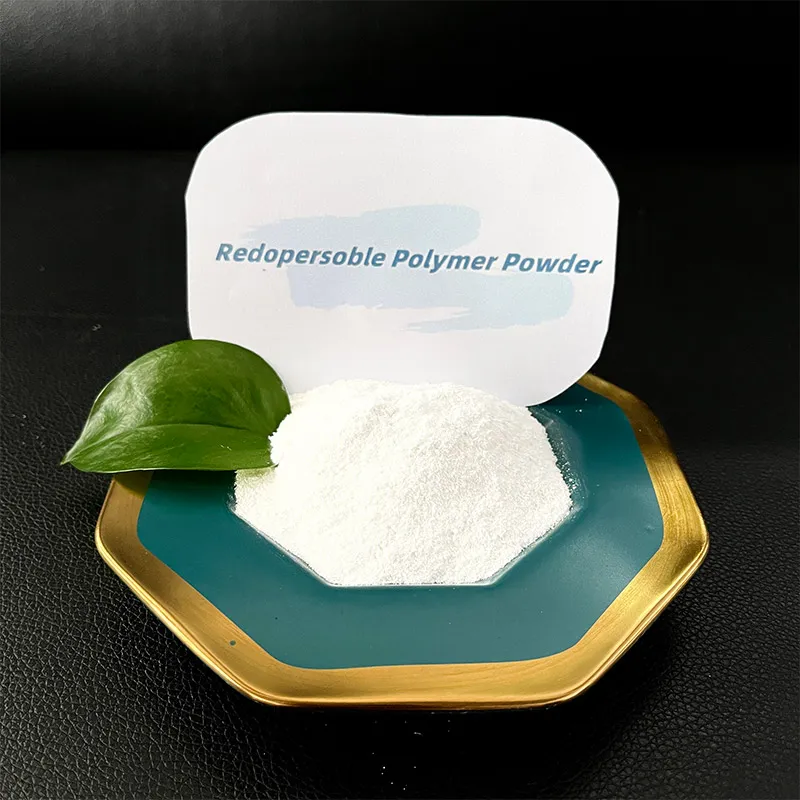


Rubber powder is a versatile and high-performance material widely used across various industries. Known for its excellent properties, rubber powder is derived from the recycling of waste rubber products and can be used to enhance the properties of a variety of products, including construction materials, automotive parts, and industrial goods. Whether you are looking to improve the strength, flexibility, or durability of your products, rubber powder is the solution you need. Explore the various benefits and applications of this innovative material, and make your products stronger and more sustainable. Rubber Powder for Sale: High-Quality Options for Every Need Looking for rubber powder for sale ? We offer a wide selection of high-quality rubber powder products to meet the demands of various industries. Our rubber powder for sale comes in different grades and specifications, so you can find the perfect match for your needs. Whether you need rubber powder for construction, automotive, or any other application, our products are designed to deliver exceptional performance, durability, and cost-efficiency. Browse our range of rubber powder for sale today and get the best value for your projects. Natural Rubber Powder: Sustainable and High-Performance Natural rubber powder is made from renewable resources and is an eco-friendly alternative to synthetic materials. It offers a range of performance benefits, including enhanced flexibility, shock absorption, and resistance to wear and tear. Natural rubber powder is widely used in the manufacturing of rubber compounds, playground surfaces, sports tracks, and more. By incorporating natural rubber powder into your products, you can create sustainable solutions that do not compromise on performance. Choose natural rubber powder for superior quality and environmental responsibility in your applications. Nitrile Rubber Powder: The Ultimate Solution for Industrial Applications When it comes to industrial applications, nitrile rubber powder is the go-to choice for many manufacturers. Known for its excellent resistance to oils, solvents, and chemicals, nitrile rubber powder is used in a variety of industrial products, including seals, gaskets, and protective coatings. By adding nitrile rubber powder to your materials, you can significantly enhance their durability and performance, especially in environments exposed to harsh chemicals and extreme conditions. Whether you are looking to improve the longevity or the functionality of your industrial products, nitrile rubber powder is the ideal solution. Why Choose Our Rubber Powder for Your Projects? Our range of high-quality rubber powder products, including natural rubber powder and nitrile rubber powder , is designed to meet the highest industry standards. With years of expertise in the field, we ensure that every batch of rubber powder is carefully processed and tested for quality. Our products are available at competitive prices, so you get the best value for your money without compromising on quality. Whether you are in construction, automotive, or any other industry, we provide the right rubber powder to improve the performance, durability, and sustainability of your products. Trust us to supply you with top-quality rubber powder for all your business needs. Rubber Powder FAQs What is rubber powder used for? Rubber powder is widely used in various industries to improve the properties of products, including construction materials, automotive parts, and industrial goods. It enhances the flexibility, durability, and strength of materials, making it ideal for use in coatings, adhesives, and flooring. Additionally, rubber powder is commonly used in manufacturing rubber compounds, playground surfaces, and sports tracks due to its excellent shock absorption and wear resistance properties. Where can I buy rubber powder for sale? We offer a wide range of rubber powder for sale , including natural rubber powder and nitrile rubber powder , designed to meet the specific needs of your project. Browse our online catalog to discover the best options for your requirements, and reach out to us for further inquiries. What is natural rubber powder? Natural rubber powder is made from natural latex rubber, which is derived from the rubber tree. It is a sustainable, eco-friendly material used to enhance the properties of various products. Natural rubber powder is known for its excellent flexibility, impact resistance, and shock-absorbing qualities, making it an ideal choice for applications in construction, flooring, and rubber compounds. What is nitrile rubber powder and how is it used? Nitrile rubber powder is a type of synthetic rubber that offers superior resistance to oils, chemicals, and solvents. It is commonly used in industrial applications, including seals, gaskets, protective coatings, and various automotive components. Nitrile rubber powder is an excellent choice when durability and resistance to harsh conditions are required. Why should I choose your rubber powder for my projects? Our rubber powder products, including natural rubber powder and nitrile rubber powder , are sourced and processed to the highest standards to ensure exceptional performance. We offer competitive pricing and flexible options, making it easy for you to get the right rubber powder for your project. Whether you need rubber powder for sale for construction, automotive, or industrial use, we provide the highest quality materials that guarantee long-lasting results and improved product performance.
- 40000tons

Production
- 20+years

Experience
- 5000+㎡

Acreage

-
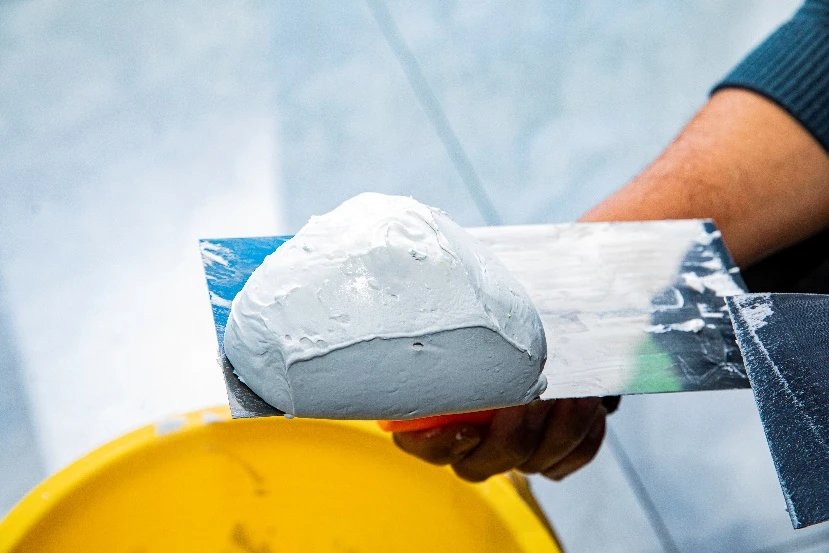
Hydroxypropyl methylcellulose (HPMC) is increasingly being recognized for its diverse applications in skincare products . As a cellulose-derived polymer, HPMC brings multiple benefits due to its unique properties, which are gaining attention both in scientific research and industry innovation. One of HPMC's most notable features is its moisture retention capabilities. In an era where consumers are seeking products that can hydrate and nourish the skin without harmful side effects, HPMC stands out as a safe and effective choice. Its ability to retain water makes it an ideal ingredient for moisturizers and creams designed to combat dryness and enhance skin elasticity. Users consistently report a noticeable improvement in skin suppleness after incorporating HPMC-infused products into their skincare routine. In addition to moisture retention, HPMC acts as a thickening agent. This property is invaluable for product formulation, allowing manufacturers to create skincare products that provide a pleasant texture and user experience. By enhancing the viscosity of creams and lotions, HPMC ensures even spreading and absorption, which enhances the effectiveness of active ingredients. Dermatologists often recommend products with this polymer for individuals with sensitive skin, as it reduces potential irritation often caused by other thickening agents. Another significant advantage of HPMC is its function as a stabilizer. In the cosmetic industry, maintaining the integrity of a formula over time is crucial. HPMC helps maintain the uniform distribution of particles in emulsions, preventing separation. This results in a consistent application experience and reliable product performance, which builds consumer trust and satisfaction. Products featuring HPMC are less likely to experience issues such as ingredient separation, which can compromise both the efficacy and safety of the product. HPMC also exhibits excellent film-forming properties, essential for certain skincare formulations such as masks or serums. By forming a thin, cohesive layer on the skin, HPMC can help lock in moisture and active ingredients, enhancing their delivery and increasing the time they remain effective on the skin. This characteristic not only boosts product efficacy but also can give users a tangible sense of protection and care, which is increasingly sought after in luxury skincare products. hydroxypropyl methylcellulose skin Furthermore, HPMC is appreciated for its hypoallergenic nature. As consumers become more mindful of ingredients applied to their skin, demand rises for hypoallergenic and non-comedogenic products. HPMC's gentle nature makes it suitable for individuals prone to allergies or adverse reactions. Its integration into skincare solutions addresses a crucial market need for safe yet effective beauty solutions, heightening its appeal across various demographics. Beyond individual product use, the inclusion of HPMC in formulations is supported by extensive scientific research. Studies have shown its non-toxic nature and compatibility with a wide range of other ingredients. The polymer's versatile nature allows it to be combined with vitamins, antioxidants, and botanical extracts, thereby enabling the development of multifunctional skincare products. Laboratories and product developers are continually exploring new combinations that capitalize on HPMC's compatibility and stability. In a world where consumers are empowered with information, transparency and credibility are non-negotiable. Hydroxypropyl methylcellulose stands as a testament to scientifically-backed innovation in skincare, drawing the attention of dermatologists, product developers, and informed consumers alike. Its multifaceted benefits, supported by concrete research and consumer testimonials, make it an indispensable choice in the formulation of next-generation skincare products. As awareness of environmentally-friendly and sustainable beauty products grows, the renewable nature of HPMC further solidifies its appeal. Derived from cellulose, a natural compound, HPMC aligns with the sustainable ethos valued by modern consumers. This environmental consideration, alongside skin health benefits, makes HPMC an attractive ingredient for forward-thinking brands aiming to lead in responsible beauty care. As the quest for effective, safe, and innovative skincare solutions continues, hydroxypropyl methylcellulose is poised to be at the forefront, providing tangible benefits while respecting the values of a discerning consumer base.
-
Navigating the ever-evolving world of skincare ingredients, one might stumble upon hydroxypropyl starch phosphate, a seemingly esoteric compound that has quietly begun to revolutionize the beauty industry. Often overshadowed by more market-friendly terms such as hyaluronic acid or niacinamide, hydroxypropyl starch phosphate offers unique properties that provide tangible benefits for skin health and beauty. The purpose of this exploration is to uncover its secret potential, establishing its rightful place among trusted skincare resources. Hydroxypropyl starch phosphate , a modified starch, is derived from naturally occurring corn or potato starch. Through chemical processes, this starch undergoes modification to become more functionally versatile, displaying excellent stability and compatibility with a wide range of cosmetic formulations. Starch, a known polysaccharide, is selected for transformation due to its pristine texture, sustainable production, and high dermal compatibility. The resultant compound serves as a thickening agent and stabilizer, contributing to a better product feel and extended shelf life. From a professional perspective, this ingredient's most remarkable feature is its ability to improve the sensorial aspect of cosmetic formulations. Thanks to its molecular structure, formulations incorporating hydroxypropyl starch phosphate provide a silky, smooth texture without any residual stickiness or tackiness. This characteristic is invaluable not only to formulators looking to enhance user experience but also to end-users who desire a luxurious application feeling. hydroxypropyl starch phosphate for skin Digging deeper into the expertise domain within cosmetic sciences, hydroxypropyl starch phosphate enhances the appearance and functionality balance in cosmetic products. It protects and hydrates the skin by forming a breathable barrier on the surface. This non-occlusive shield allows the skin to maintain moisture while protecting it from environmental stressors. Moreover, the presence of this ingredient boosts the efficacy and delivery of active ingredients. By improving formulation texture, active agents like antioxidants or vitamins do not face barrier challenges, ensuring they effectively reach skin tissues. The authority of hydroxypropyl starch phosphate lies in its growing acceptance in dermatology circles and its benefits validated by empirical evidence. Clinical studies emphasize its hypoallergenic nature, making it suitable for sensitive skin types—a major advantage for those facing notable skin reactions from other thickening agents. Its non-irritating profile
advantages
-

200000 Viscosities
Excellent product
We can produce pure products up to 200,000 viscosities
-

40000 tons
High yield
We don’t stop production all year round, and the annual output can reach 40,000 tons
-

24 hours
Quality service
We provide 24-hours online reception service, welcome to consult at any time
———— Inquiry Form
Schedule A services


-
 hpmc_eye_drops_uses
Oct . 25, 2025
6-Hydroxyethyl starch (6-HES) is a potent and invaluable tool in the medical field , particularly in -
 hpmc_e5_uses
Oct . 25, 2025
Hydroxypropyl Methylcellulose (HPMC) sheets are increasingly recognized for their versatile applicat -
 kegunaan_hidroksipropil_metilselulosa
Oct . 25, 2025
Hydroxypropyl methylcellulose (HPMC) is a versatile product that has gained tremendous attention acr


